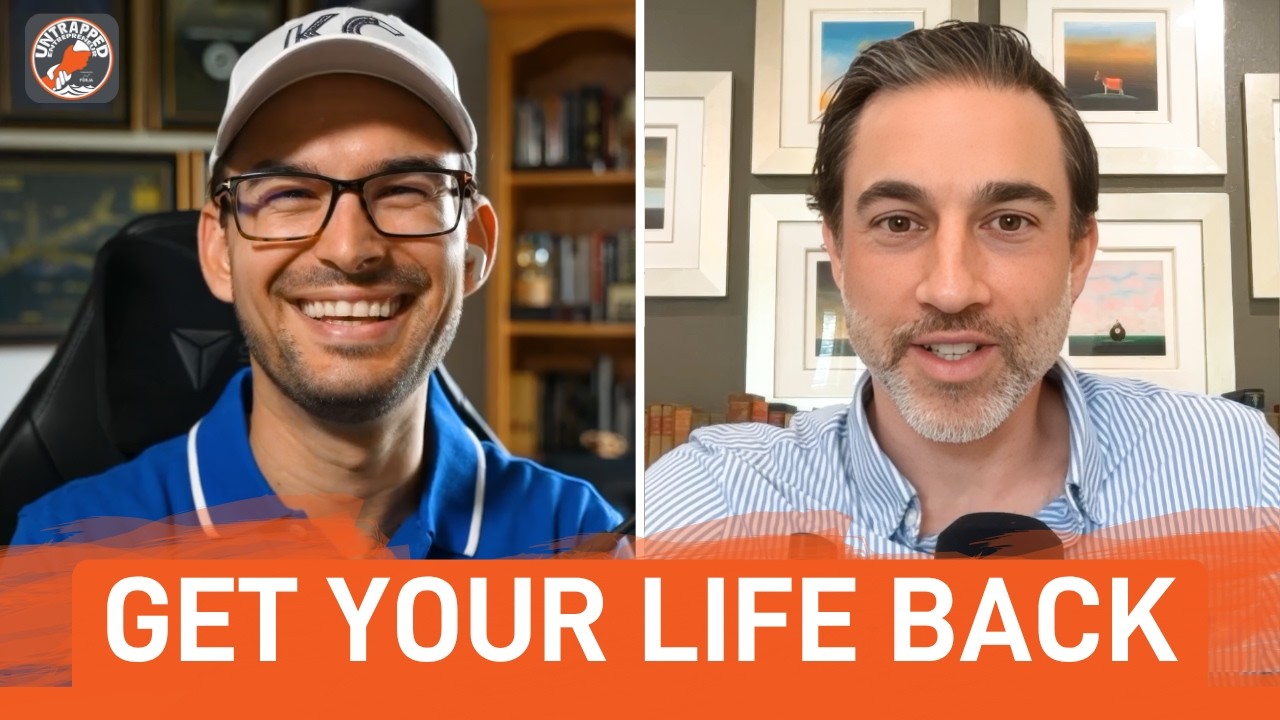
Vincent Matranga helped build Cheetah into a company producing roughly $155 million in annualized revenue. Then the pandemic closed the restaurants it served, and the business lost about 80 percent of its sales in a single week.
The collapse was not a theoretical stress test. The company had millions of dollars in perishable inventory, a large team, and an operating model built for movement. Leadership shifted from growth mode to survival almost overnight.
Hypergrowth can become its own addiction
Rapid growth produces constant evidence that the company is winning. New facilities, new markets, and larger teams create momentum. That momentum can make a founder less willing to slow down and examine the systems underneath it.
Vincent came to believe that physical operations deserve at least as much attention as the technology wrapped around them. Software can make a business look modern, but it cannot compensate for unclear procedures, weak inventory controls, or a team that does not know how decisions are made.
The week the plan stopped working
When restaurant customers shut down, Cheetah entered what Vincent described as wartime mode. Leaders had to protect cash, handle perishable inventory, communicate with the team, and make painful staffing decisions while the future remained uncertain.
The personal toll was visible. Stress affected Vincent's health, including hair loss in his beard. Burnout was not an abstract risk. It was the cost of carrying decisions that affected employees, customers, investors, and families.
Crisis leadership begins by separating what is urgent from what is merely loud. Vincent uses an urgent and important framework to focus attention. Not every incoming problem deserves the same response, and not every decision has to be made at the founder's speed.
In a crisis, askWhat can we control today that protects people, preserves options, and gives us a clearer decision tomorrow?
Operations matter more than theater
Vincent's experience reinforced the value of documenting and redesigning systems before they fail. Sometimes improvement is incremental. At other times, a leader has to imagine that the existing process has been removed and rebuild it from the ground up.
That mindset helped the company consider entirely different uses for its infrastructure, including new product categories. It also exposed the danger of scaling activity that no longer served the mission.
Operational discipline is not glamorous, but it creates choices. Clean processes make it easier to reduce costs, redirect people, preserve quality, and explain the plan. In a crisis, those choices become the runway.
The leader sets the emotional weather
Vincent learned that a founder's energy travels quickly through an organization. Panic multiplies. So does steadiness. This does not mean pretending that the problem is smaller than it is. It means refusing to make the team carry the leader's unmanaged fear.
He described a power outage that interrupted operations. Instead of reacting immediately, he paused, got coffee, and read before deciding how to respond. The pause was not avoidance. It was a reminder that speed and usefulness are not the same thing.
The lesson to carry forward
Build systems while the company has time to think. Watch for growth that is feeding identity more than service. Protect your health before exhaustion becomes a management style. When crisis arrives, tell the truth, focus on what can be controlled, and make the next responsible decision.
A revenue collapse can take away the old plan. It does not have to take away the values that guide the next one.
Building that ability into companies before the crisis hits is what he does now at Waya.
Read it on its ownSave or share the complete article.
Open the Article →