
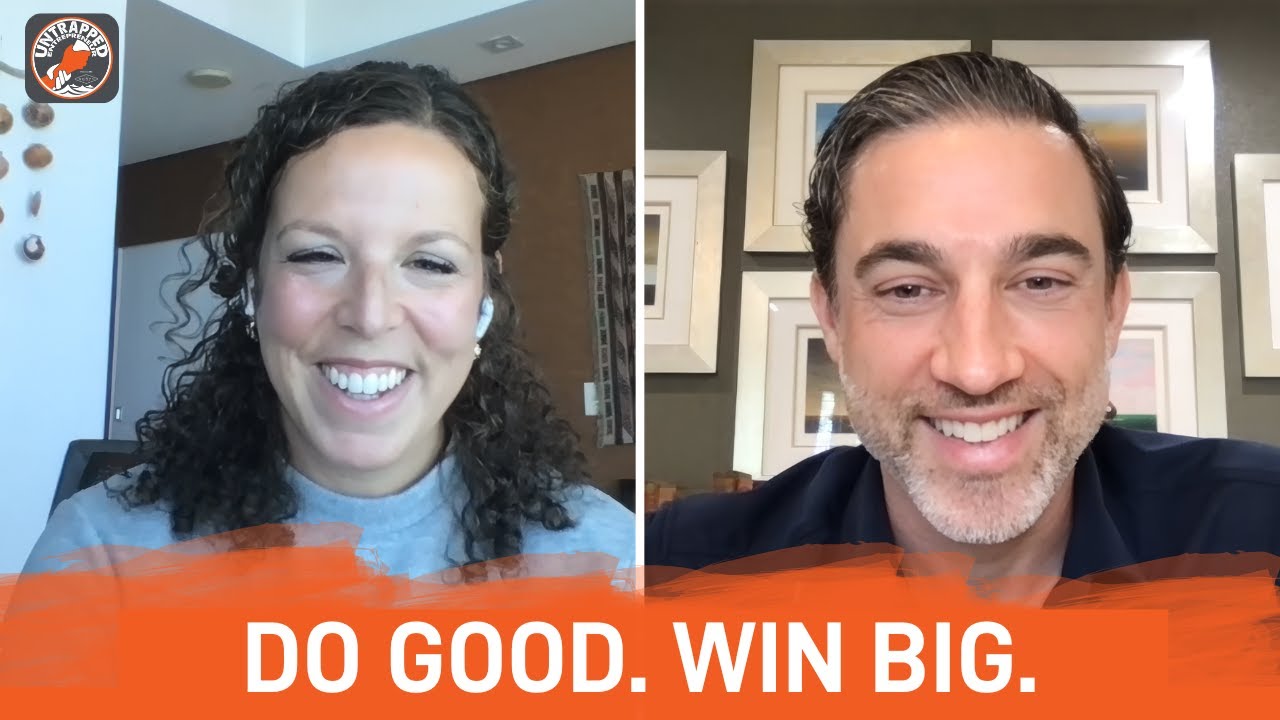
Trends can make a market look larger, a pitch feel easier, and urgency seem obvious. Miriam Altman-Reyes has seen how quickly that attention can disappear. Her own path from teacher to founder to investor began with a problem she had lived, not a category she hoped would become fashionable.
As a teacher in New York City, Miriam saw how chronic absenteeism affected students, families, schools, and public funding. The problem was immediate and human. It eventually led her to build Kinvolved, an education company later acquired by PowerSchool.
Lived experience creates a deeper reason to stay
Miriam grew up around social entrepreneurship. She designed an academic path around news media and societal change, joined Teach For America, and worked inside the education system before starting a company to serve it.
That sequence mattered. She understood the problem before she had a product to defend. She knew the people affected, the institutional constraints, and the consequences of getting the work wrong.
A trend can create attention. Lived experience creates staying power.
The 2008 financial crisis and the later pandemic both produced waves of companies chasing newly urgent markets. Some created real value. Others were built around attention that did not last. Founders who choose a market mainly because investors are excited may discover that their own commitment expires first.
Pitch customers before you perfect the investor story
Early founders can spend enormous energy learning to describe a business to investors while avoiding the harder work of selling to customers. Investors may validate the size of the story. Customers validate whether the product creates enough value to change behavior.
Miriam encourages founders to stay close to the people who will use and pay for the product. Their objections reveal what the pitch deck cannot. They show whether the problem is urgent, whether the buying process is understood, and whether the product can survive outside the founder's enthusiasm.
What have customers already taught us that changed the product, price, or way we sell?
Support should challenge and carry the founder
Miriam describes a three-part support system. An advisory board brings pattern recognition and accountability. Peer founders provide a place to speak honestly with people carrying similar decisions. A strong operating team turns the mission into daily work.
Each group serves a different purpose. Advisors can challenge strategy. Peers can normalize the private strain of leadership. Teammates can see where the plan collides with reality. A founder who expects one person or one group to provide all three forms of support will eventually outgrow the arrangement.
Hiring also has to fit the stage. A leader who excelled inside a large company may depend on resources and structure an early venture does not have. Founders should hire for the work that exists now, not the résumé that makes the organization look more mature.
Prepare for an exit before someone makes an offer
Now a managing partner at Brass Ring Ventures, Miriam works with founders who are building toward enduring value and eventual outcomes. She advises CEOs to spend a small but consistent portion of their time building relationships with potential strategic partners and acquirers.
This is not a call to build only for a transaction. It is recognition that trust takes time. When a possible buyer already understands the company, its customers, and its leadership, a future conversation begins from familiarity instead of urgency.
The lesson to carry forward
Choose a problem you would still care about after the headline changes. Let customers shape the work before investors shape the story. Build a circle of people who can advise, understand, and execute. Manage cash with the seriousness of someone protecting a mission, not only extending a runway.
Purpose and profit do not have to compete. The strongest companies often grow because the founder understands that serving the problem well is the path to both.